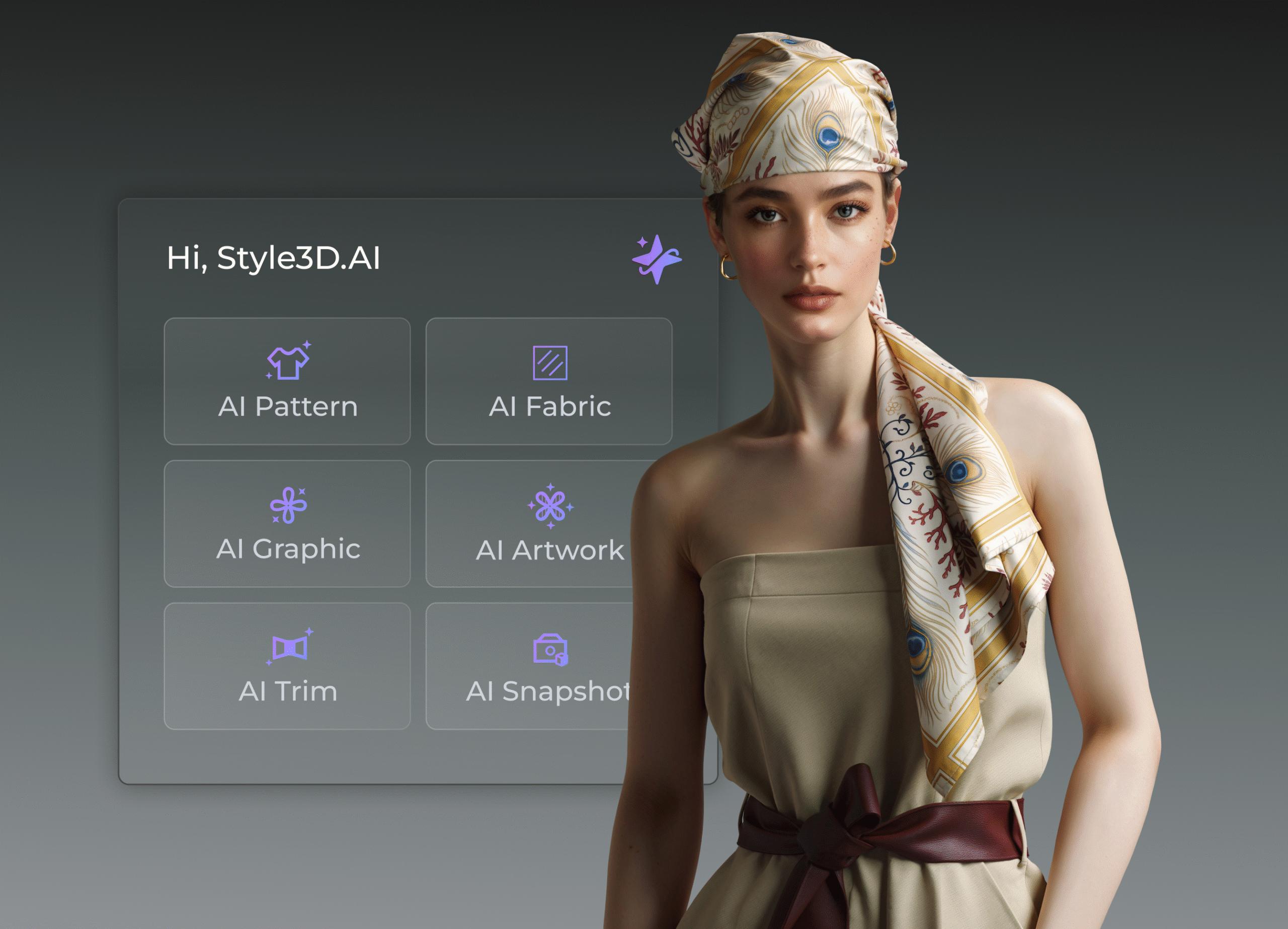
 allows you to define your own style by experimenting with custom stitch patterns and yarn blends that are unique to your brand. Whether you are aiming for a minimalist aesthetic or a complex jacquard, the digital environment provides the perfect playground to test your ideas without any physical constraints or costs.
This digital-first mindset encourages a level of innovation that traditional methods can't match. You can visualize a "multicolor knit" or a "3D textured surface" in seconds, allowing you to iterate faster and bring your most creative visions to life. In a crowded market, this unique visual language is what will make your brand unforgettable.
The Science Of Yarn Simulation And Structural Accuracy
Professional [knit design](https://www.style3d.com/products/knit) is about more than just aesthetics; it's about physics. Advanced software simulates how different yarn types—such as wool, cotton, or synthetics—behave when knitted together. The simulation accounts for the "stitch density" and "loop structure," providing a realistic preview of how the garment will hang and move. This technical accuracy is essential for preventing common knitwear issues like "pilling" or "stretching out."
[Image showing a 3D avatar performing a range-of-motion test in a digital knit dress]
By seeing the "stress points" on a digital model, designers can reinforce specific areas of the garment before production begins. This ensures that the final product is not only beautiful but also durable and high-quality, meeting the expectations of even the most demanding customers.
Building A Scalable Digital Apparel Supply Chain
The integration of digital apparel solutions is the key to scaling a modern knitwear brand. Digital tools allow for a more "distributed" manufacturing model, where design files can be shared instantly with production hubs across the globe. This eliminates the delays of shipping physical samples and technical packs, allowing brands to respond to market trends in real-time.
A digital supply chain also facilitates better collaboration. Design, marketing, and production teams can all access the same 3D model, ensuring that everyone is working with the most up-to-date information. This "single source of truth" reduces miscommunication and ensures a consistent level of quality across all product lines and markets.
Achieving Financial Efficiency Through Virtual Sampling
Sampling is one of the most expensive parts of the knitwear business. A single physical prototype can cost hundreds of dollars and take weeks to produce. By moving to 3D knitting, brands can reduce their sampling costs by up to 70%. The money saved can then be reinvested into higher-quality yarns, better marketing, or research into more sustainable production methods.
Beyond direct cost savings, virtual sampling also reduces the "opportunity cost" of lost time. Being able to finalize a design in a few days instead of a few weeks allows brands to get their products to market faster, capturing the attention of consumers while the trend is still peaking. Efficiency is the ultimate competitive advantage in the 21st-century fashion world.
Visualizing Intricate Textures For E-commerce Success
Knitwear is all about the "feel," and high-quality simulation is the only way to communicate that feeling through a screen. Digital tools allow you to render the fine details of the yarn, including its luster, hairiness, and color depth. These photorealistic assets are essential for high-converting e-commerce product pages, as they give the customer a clear understanding of the product’s quality and craftsmanship.
Interactive features, such as 360-degree views and virtual "zoom-ins," further enhance the shopping experience. When a customer can see the intricate detail of a cable knit or the soft texture of a cashmere sweater, they are much more likely to complete the purchase. Digital excellence is the bridge between a virtual product and a satisfied customer.
Conclusion: The Future Of Craft In The Digital Age
The marriage of traditional knitting techniques and modern knit design software is creating a new era of fashion craftsmanship. We are no longer limited by the physical; our tools allow us to create beauty and quality at a scale and speed that was previously unimaginable. Whether you are a small independent designer or a global brand, the power of 3D is your greatest asset.
The digital revolution is not replacing the "human touch" in fashion; it is empowering it. By automating the technical and repetitive aspects of design, technology allows creators to focus on what they do best: innovate and inspire. The future of knitwear is bright, it is 3D, and it is digital. Let's create the next generation of iconic apparel together.](https://i.ibb.co/QjTyVtqH/Precision-Engineering-in-Modern-Knitwear.png)
Defining Your Signature Look With 3D Knitting Tools
Creating a recognizable brand identity requires a deep focus on detail. Using [3D knitting](https://steemit.com/fashion/@wdl777/what-is-fashion-style-and-how-can-you-define-your-own) allows you to define your own style by experimenting with custom stitch patterns and yarn blends that are unique to your brand. Whether you are aiming for a minimalist aesthetic or a complex jacquard, the digital environment provides the perfect playground to test your ideas without any physical constraints or costs.
This digital-first mindset encourages a level of innovation that traditional methods can't match. You can visualize a "multicolor knit" or a "3D textured surface" in seconds, allowing you to iterate faster and bring your most creative visions to life. In a crowded market, this unique visual language is what will make your brand unforgettable.
The Science Of Yarn Simulation And Structural Accuracy
Professional [knit design](https://www.style3d.com/products/knit) is about more than just aesthetics; it's about physics. Advanced software simulates how different yarn types—such as wool, cotton, or synthetics—behave when knitted together. The simulation accounts for the "stitch density" and "loop structure," providing a realistic preview of how the garment will hang and move. This technical accuracy is essential for preventing common knitwear issues like "pilling" or "stretching out."
[Image showing a 3D avatar performing a range-of-motion test in a digital knit dress]
By seeing the "stress points" on a digital model, designers can reinforce specific areas of the garment before production begins. This ensures that the final product is not only beautiful but also durable and high-quality, meeting the expectations of even the most demanding customers.
Building A Scalable Digital Apparel Supply Chain
The integration of digital apparel solutions is the key to scaling a modern knitwear brand. Digital tools allow for a more "distributed" manufacturing model, where design files can be shared instantly with production hubs across the globe. This eliminates the delays of shipping physical samples and technical packs, allowing brands to respond to market trends in real-time.
A digital supply chain also facilitates better collaboration. Design, marketing, and production teams can all access the same 3D model, ensuring that everyone is working with the most up-to-date information. This "single source of truth" reduces miscommunication and ensures a consistent level of quality across all product lines and markets.
Achieving Financial Efficiency Through Virtual Sampling
Sampling is one of the most expensive parts of the knitwear business. A single physical prototype can cost hundreds of dollars and take weeks to produce. By moving to 3D knitting, brands can reduce their sampling costs by up to 70%. The money saved can then be reinvested into higher-quality yarns, better marketing, or research into more sustainable production methods.
Beyond direct cost savings, virtual sampling also reduces the "opportunity cost" of lost time. Being able to finalize a design in a few days instead of a few weeks allows brands to get their products to market faster, capturing the attention of consumers while the trend is still peaking. Efficiency is the ultimate competitive advantage in the 21st-century fashion world.
Visualizing Intricate Textures For E-commerce Success
Knitwear is all about the "feel," and high-quality simulation is the only way to communicate that feeling through a screen. Digital tools allow you to render the fine details of the yarn, including its luster, hairiness, and color depth. These photorealistic assets are essential for high-converting e-commerce product pages, as they give the customer a clear understanding of the product’s quality and craftsmanship.
Interactive features, such as 360-degree views and virtual "zoom-ins," further enhance the shopping experience. When a customer can see the intricate detail of a cable knit or the soft texture of a cashmere sweater, they are much more likely to complete the purchase. Digital excellence is the bridge between a virtual product and a satisfied customer.
Conclusion: The Future Of Craft In The Digital Age
The marriage of traditional knitting techniques and modern knit design software is creating a new era of fashion craftsmanship. We are no longer limited by the physical; our tools allow us to create beauty and quality at a scale and speed that was previously unimaginable. Whether you are a small independent designer or a global brand, the power of 3D is your greatest asset.
The digital revolution is not replacing the "human touch" in fashion; it is empowering it. By automating the technical and repetitive aspects of design, technology allows creators to focus on what they do best: innovate and inspire. The future of knitwear is bright, it is 3D, and it is digital. Let's create the next generation of iconic apparel together.