 allows you to see the specific income limits and the "Prior Authorization" requirements that are unique to your area. This knowledge empowers you to ask your doctor the right questions and ensure the right keywords are used in your medical record.
Knowledge of state-specific policies also helps in understanding the timeline. Some states are known for quick turnarounds, while others may take months to process a request. By knowing the local landscape, you can manage your expectations and plan accordingly, perhaps by seeking temporary mobility solutions while the official state application moves through the bureaucracy.
Ensuring Safety and Training for New Scooter Users
Operating a mobility scooter requires a certain level of skill and awareness. Once your scooter is delivered, take the time to practice in a safe, flat area before attempting to navigate tight spaces or ramps. Safety features like speed limiters and automatic brakes are standard, but the user must still be conscious of their surroundings to avoid tips or collisions.
It is also important to understand the battery life of your device. Most scooters use deep-cycle lead-acid or lithium-ion batteries that require regular charging. Over-discharging the battery can lead to permanent damage, so it is best to plug it in every night. Consistent care and safe operation will ensure that the mobility aid provided by the state remains a beneficial asset for your daily life.](https://i.ibb.co/7JYPGy6q/Strategic-Approaches-To-Accessing-Mobility-Equipment.webp)
Defining Medicaid Scooter Coverage For Potential Beneficiaries
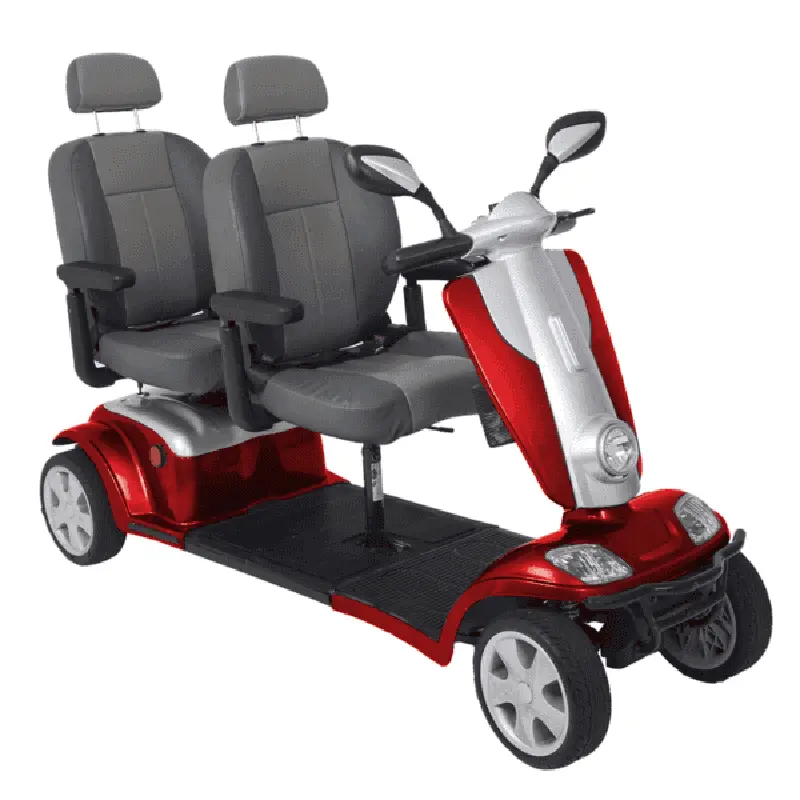
When looking for financial help with mobility equipment, the first term most people encounter is Medicaid scooter coverage. This specific benefit is part of the Durable Medical Equipment (DME) category, which covers items that can withstand repeated use and are primarily used for a medical purpose. For a closer look at various mobility devices and how they function in a home setting, please check wheelchair2026.blogspot.com.
To qualify, the scooter must be considered reasonable and necessary for the treatment of an illness or injury. It is not enough to simply have difficulty walking; the difficulty must be severe enough that it prevents you from completing essential tasks like getting to the bathroom or the kitchen. This distinction is vital because Medicaid will not cover a scooter intended solely for use outside the home, such as for shopping or visiting a park.
Choosing The Right Medical Equipment Supplier
Not all medical equipment stores are authorized to bill Medicaid. It is essential to find a supplier that is "enrolled" in the program. These suppliers are familiar with the specific paperwork and billing codes required by the state. When you visit a supplier, ask them directly if they accept your specific type of Medicaid and if they have experience with scooter authorizations.
A good supplier will do more than just sell you a machine; they will help coordinate with your doctor to ensure the clinical notes are correct. They should also perform a "home assessment" to make sure the scooter will actually fit through your doors and turn in your rooms. Choosing an experienced vendor can make the difference between a quick approval and a long, drawn-out battle with the insurance company.
The Impact Of Dual Eligibility On Mobility Benefits
"Dual eligibility" refers to individuals who qualify for both Medicare and Medicaid. In these cases, Medicare is usually the "primary payer," meaning they pay first. If Medicare approves the scooter, they typically cover 80% of the cost. Medicaid then acts as the "secondary payer," covering the remaining 20% and the deductible.
This can be a huge financial relief, but it also means you have to follow the rules of both programs. Medicare’s rules for scooters are quite strict and focus heavily on "face-to-face" examinations with a doctor. If Medicare denies the claim, Medicaid might still cover it, but the paperwork becomes significantly more complicated. Managing both sets of regulations requires careful attention to detail and proactive communication with your healthcare team.
Common Reasons For Denial And How To Appeal
It is not uncommon for a first-time application for a mobility scooter to be denied. Common reasons include "lack of medical necessity," "insufficient documentation," or "device not suitable for home environment." If you receive a denial letter, do not lose hope. You have the right to appeal the decision within a certain timeframe, usually 30 to 90 days depending on the state.
The appeal process involves submitting additional evidence or clarifying the doctor's notes. Sometimes, a simple letter from a specialist explaining a specific physical limitation can overturn a denial. It is often helpful to involve a patient advocate or a legal aid society that specializes in healthcare rights to help navigate the formal hearing process if the appeal moves to that stage.
Utilizing A Medicaid Scooter Coverage State Guide For Planning
Before you even see a doctor, consulting a Medicaid scooter coverage can give you a roadmap of what to expect. Using a [state guide](https://www.paiseec.com/blogs/hot/will-medicaid-pay-for-a-mobility-scooter-state-by-state-guide) allows you to see the specific income limits and the "Prior Authorization" requirements that are unique to your area. This knowledge empowers you to ask your doctor the right questions and ensure the right keywords are used in your medical record.
Knowledge of state-specific policies also helps in understanding the timeline. Some states are known for quick turnarounds, while others may take months to process a request. By knowing the local landscape, you can manage your expectations and plan accordingly, perhaps by seeking temporary mobility solutions while the official state application moves through the bureaucracy.
Ensuring Safety and Training for New Scooter Users
Operating a mobility scooter requires a certain level of skill and awareness. Once your scooter is delivered, take the time to practice in a safe, flat area before attempting to navigate tight spaces or ramps. Safety features like speed limiters and automatic brakes are standard, but the user must still be conscious of their surroundings to avoid tips or collisions.
It is also important to understand the battery life of your device. Most scooters use deep-cycle lead-acid or lithium-ion batteries that require regular charging. Over-discharging the battery can lead to permanent damage, so it is best to plug it in every night. Consistent care and safe operation will ensure that the mobility aid provided by the state remains a beneficial asset for your daily life.